Introduction
 Domestic violence is a painful reality that cuts across cultures, social classes, and even religious spaces. Over the years, it has become clear that marriage, which God designed to be a place of love, safety, companionship, and growth, has sadly turned into a place of fear and pain for some people. When we talk about domestic violence, we are not only referring to physical abuse. It also includes emotional manipulation, verbal attacks, intimidation, control, neglect, and psychological harm. These wounds may not always be visible, but they leave deep scars in the heart.
As believers, we must not ignore this issue or spiritualize suffering in a way that excuses abuse. God never intended marriage to be a battleground where one partner dominates or dehumanizes the other. Marriage is a covenant of love, mutual respect, honor, and sacrifice. The Bible clearly teaches that love does not harm, oppress, or destroy. Instead, love builds, protects, and nurtures (Ephesians 5:25, 1 Corinthians 13:4–7).
Avoiding domestic violence in marriage requires intentional effort, spiritual maturity, accountability, and a willingness to grow. It demands that couples align their actions with God’s Word and allow His love to shape their attitudes, responses, and communication. In this article, we will explore six major ways Christian couples can actively prevent domestic violence and preserve peace, dignity, and godliness in their homes.
Six Major Ways to Avoid Domestic Violence in Marriage
1. Embracing Christlike Love and Understanding
2. Practicing Healthy and Respectful Communication
3. Managing Anger and Emotions God’s Way
4. Building Mutual Respect and Equality
5. Seeking Godly Counsel and Accountability Early
6. Maintaining a Strong Spiritual Foundation in the Home
1. Embracing Christlike Love and Understanding
One of the strongest foundations for avoiding domestic violence in marriage is embracing Christlike love. Many acts of violence in marriage stem from selfishness, pride, insecurity, and the desire to control. When love is defined by personal interest rather than sacrifice, it becomes easy to justify hurtful behavior. However, the Bible presents love as selfless, patient, and kind.
Christlike love is not aggressive, abusive, or manipulative. Jesus demonstrated love by laying down His life, not by forcing His will on others. When spouses genuinely understand that marriage is a call to serve one another, violence loses its place. A husband who loves his wife as Christ loves the church will never see her as someone to dominate or intimidate. Likewise, a wife who walks in godly love will not respond with bitterness, disrespect, or emotional cruelty.
Understanding also plays a vital role. Many conflicts escalate into violence because partners refuse to understand each other’s emotional needs, backgrounds, and limitations. When couples choose empathy over assumptions, patience over judgment, and grace over harshness, peace is preserved. Love that seeks to understand rather than attack becomes a powerful shield against domestic violence (Ephesians 5:25, 1 Corinthians 13:4–7, Colossians 3:14).
2. Practicing Healthy and Respectful Communication
Poor communication is one of the most common triggers of domestic violence. When couples do not know how to express pain, frustration, or disagreement in a healthy way, emotions often spill over into shouting, insults, threats, or physical harm. God never intended communication in marriage to be destructive. Words are meant to heal, instruct, and build, not to wound.
Healthy communication involves speaking the truth in love, listening without interrupting, and addressing issues without attacking the person. Many violent episodes begin with unresolved conversations that were ignored or suppressed. When feelings are bottled up for too long, they often explode in unhealthy ways. The Bible encourages believers to be slow to speak, quick to listen, and slow to anger.
Respectful communication also means avoiding abusive language. Insults, name-calling, constant criticism, and humiliation are forms of emotional violence that can eventually lead to physical abuse. Christian couples must remember that their spouse is God’s creation, deserving of honor and dignity. When communication is guided by the Holy Spirit, it becomes a tool for unity rather than division (James 1:19, Ephesians 4:29, Proverbs 15:1).
3. Managing Anger and Emotions God’s Way
Anger itself is not a sin, but unmanaged anger is dangerous. Many cases of domestic violence occur in moments of uncontrolled rage, where one partner allows emotions to take over wisdom and self-control. The Bible warns that human anger does not produce the righteousness of God. When anger is left unchecked, it opens the door to abusive behavior.
God’s Word teaches believers to deal with anger in a healthy and timely manner. This includes recognizing emotional triggers, taking responsibility for one’s reactions, and learning to step away from heated situations before harm occurs. Walking away temporarily to cool down is not a weakness; it is wisdom. Violence often happens when individuals feel justified in expressing anger through force or intimidation.
Christian couples must learn to surrender their emotions to God through prayer and self-examination. The fruit of the Spirit includes self-control, which is essential for peaceful relationships. When spouses allow the Holy Spirit to guide their responses, they gain the strength to choose calmness over chaos and restraint over rage. Managing emotions God’s way creates a safe environment where violence has no place (Ephesians 4:26–27, Proverbs 29:11, Galatians 5:22–23).
4. Building Mutual Respect and Equality
Another major way to avoid domestic violence in marriage is by building a culture of mutual respect and understanding equality in God’s design. Abuse thrives in environments where one partner believes they are superior or entitled to control the other. This mindset contradicts biblical teaching. While the Bible speaks about roles in marriage, it never supports oppression, intimidation, or abuse.
God created both husband and wife in His image, giving them equal value and dignity. Mutual respect means recognizing your spouse as a partner, not a possession. It involves honoring their opinions, boundaries, emotions, and contributions to the marriage. Violence often begins when respect is lost and replaced with contempt.
When couples respect one another, disagreements do not turn into power struggles. Instead, they become opportunities for growth and understanding. Respect also means acknowledging when you are wrong and being willing to apologize. A marriage grounded in honor and humility leaves no room for violence because both partners are committed to protecting each other’s well-being (Genesis 1:27, 1 Peter 3:7, Philippians 2:3).
5. Seeking Godly Counsel and Accountability Early
Many couples wait until violence has escalated before seeking help, and sometimes it is too late. One powerful way to avoid domestic violence is to seek godly counsel early, even at the first signs of unhealthy behavior. Christian marriage was never meant to be lived in isolation. God places wise leaders, counselors, and mature believers in the body of Christ to offer guidance and correction.
Accountability helps expose destructive patterns before they grow into abuse. When couples submit themselves to counsel, they allow God to use others to bring healing, clarity, and balance. Pride often prevents people from seeking help, but humility opens the door to transformation. Ignoring warning signs such as constant anger, controlling behavior, or verbal aggression can be dangerous.
The Bible teaches that wisdom comes from many counselors. Seeking help is not a sign of failure; it is a step toward safety and restoration. Godly counsel can help couples learn conflict resolution, emotional regulation, and biblical principles that prevent violence from taking root in marriage (Proverbs 11:14, Proverbs 15:22, Galatians 6:1).
6. Maintaining a Strong Spiritual Foundation in the Home
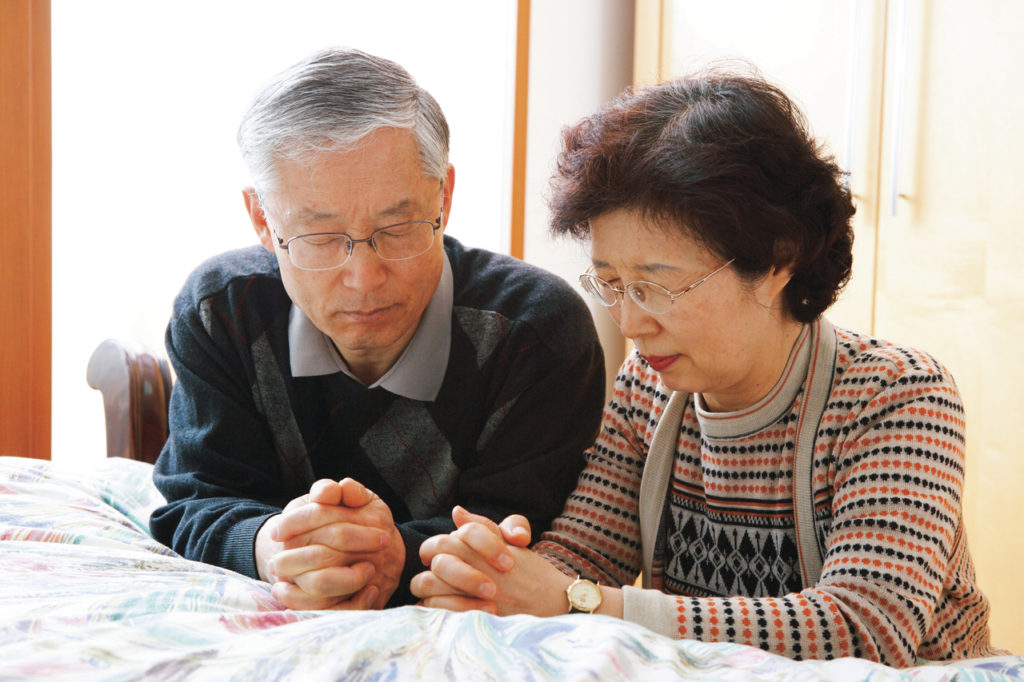
A strong spiritual foundation is essential for preventing domestic violence. When God is absent from a marriage, selfish desires often take control. Prayer, the Word of God, and spiritual discipline shape the heart and influence behavior. Couples who pray together and submit their marriage to God are more likely to handle conflict with wisdom and grace.
Spiritual neglect can make individuals more vulnerable to anger, bitterness, and destructive habits. On the other hand, spiritual growth produces humility, patience, and compassion. When the presence of God fills a home, His peace rules over emotions and decisions. Domestic violence cannot thrive where the fear of God and the love of Christ are actively practiced.
Maintaining a spiritual foundation also means allowing God’s Word to correct wrong attitudes. Scripture teaches forgiveness, gentleness, and self-control. When couples intentionally build their home on Christ, they create an environment where love overcomes conflict and violence has no foothold (Joshua 24:15, Psalm 127:1, Colossians 3:16).
Conclusion
Domestic violence is never God’s will for marriage. It destroys lives, damages faith, and contradicts the very essence of Christian love. Marriage was designed to be a place of refuge, not fear, a place of healing, not harm. Avoiding domestic violence requires more than good intentions; it demands daily commitment to godly principles, humility, and intentional growth.
By embracing Christlike love, practicing healthy communication, managing anger wisely, building mutual respect, seeking counsel early, and maintaining a strong spiritual foundation, couples can protect their marriage from violence and create a home filled with peace. God’s grace is sufficient to heal broken patterns and transform hearts when couples are willing to surrender fully to Him.
If violence already exists, it is important to remember that seeking help is not a lack of faith. God values safety, dignity, and life. His desire is restoration, healing, and wholeness for every marriage. When God is allowed to lead, love will always prevail over violence (Psalm 34:18, Isaiah 61:3, Romans 12:18).
Written for Smartcouples.net © 2026. All rights reserved.